
Building AI-Ready Infrastructure: The Next Frontier in Data Center Modernization
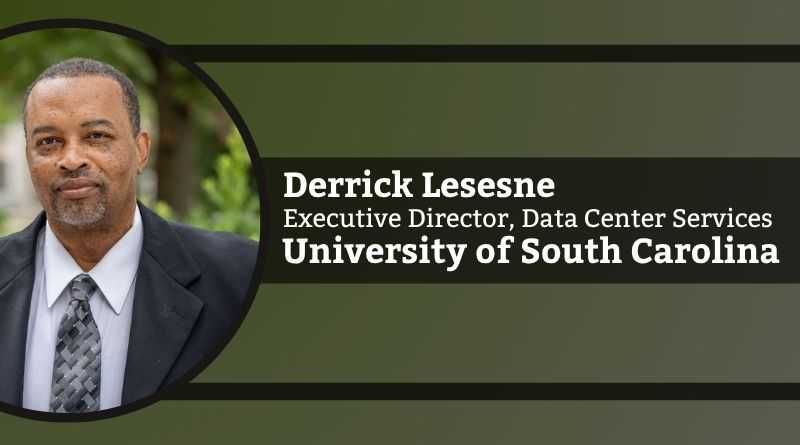
By Derrick Lesesne, Executive Director, Data Center Services, University of South Carolina
Introduction: Beyond Traditional Modernization
Data centers have long been measured by uptime, efficiency, and cost containment. While those remain important, today’s infrastructure must do much more. With the rise of artificial intelligence, advanced analytics, and hybrid ecosystems, infrastructure must be resilient, adaptive, and intelligent. At the University of South Carolina (USC), I lead efforts to modernize infrastructure in support of instruction, research, and service. Our goal is not just to meet demand, but to establish an AI-ready foundation that enables world-class innovation, attracts research funding, and positions USC for the next decade of digital transformation.
The Drivers of Change at USC
1. AI & High-Performance Computing Research workloads increasingly depend on GPU-powered clusters, high-density compute, and dual-power resiliency. Advanced cooling strategies, network upgrades, and smarter infrastructure design are no longer optional; they are essential. USC is seeking to invest in liquid-to-chip and immersive cooling solutions, ensuring that energy efficiency keeps pace with increasing computational demands.
2. Hybrid Cloud Integration We are executing a multi-year roadmap that integrates on-premises systems with cloud platforms. Governance models strike a balance between agility and compliance, while our cloud adoption strategy supports both academic research and administrative priorities. This hybrid approach ensures scalability, cost-effectiveness, and resilience.
3. Sustainability and Efficiency Modern infrastructure must also reduce environmental impact. At USC, lifecycle planning, efficient cooling, and hardware modernization are reducing operational risks while advancing the university’s sustainability goals.
At USC, infrastructure is no longer just the “backbone” of IT; it is the launchpad for discovery and transformation.
Lessons Learned from a Global Career
Before joining USC, I led large-scale infrastructure transformations for global enterprises across industries such as aerospace, manufacturing, and energy. These experiences taught me lessons that now guide USC’s modernization journey:
- Plan for Dual Outcomes – Every modernization effort must solve today’s issues while preparing for future AI, automation, and analytics demands.
- Cross-Functional Engagement – Success depends on collaboration with facilities, compliance, cybersecurity, and academic stakeholders.
- Redefine Risk Management – Traditional redundancy is not enough; supply chain risks, regulatory compliance, and cyber threats must be factored into resiliency models. I’ve managed global teams of more than 100 professionals, supported multi-million-dollar infrastructure budgets, and driven cloud migration strategies for enterprise environments spanning multiple continents. Consolidating data centers, spearheading M&A, integrating technology, and updating networks to enable Industry 4.0 capabilities were some of these activities.
The Human Dimension of Modernization
Technology is only part of the equation. At USC, we emphasize talent development, succession planning, and building a collaborative culture. Having managed globally distributed teams, I know how easily silos and communication gaps can undermine even the best-engineered systems. At USC, we foster open dialogue, invest in professional development, and align teams around shared goals. When staff feel empowered and valued, modernization becomes not just a technical success but an organizational one.
Strategic Priorities Going Forward
1. AI Governance & Readiness – USC is establishing frameworks that allow researchers and administrators to adopt AI responsibly, balancing innovation with cybersecurity, data governance, and digital ethics.
2. Resiliency & Security – We are strengthening disaster recovery and business continuity models for a rapidly evolving risk landscape. Lessons from leading global infrastructure programs inform our approach to securing USC’s digital backbone.
3. Ecosystem Partnerships – Partnerships with vendors, peer institutions, and research collaborators will accelerate modernization and amplify USC’s impact.
A Broader Leadership Perspective
My career has spanned multiple sectors, and while USC is now my home, the lessons from prior roles continue to shape my leadership:
- Enterprise-Scale Cloud Transformation – I directed cloud migrations that reduced data center footprints by over 60%, saving millions in costs while improving global availability.
- AI and Automation Adoption – I spearheaded the integration of AI and machine learning into enterprise workflows, leveraging platforms like ChatGPT and Microsoft Co-Pilot to improve collaboration, efficiency, and decision-making.
- Budget and Vendor Management I’ve overseen $50M+ annual infrastructure budgets and negotiated strategic vendor partnerships that optimized technology spend and accelerated modernization.
- Disaster Recovery & Business Continuity – I built global recovery programs and automated repeatable infrastructure tasks, reducing risk and improving resiliency. This depth of experience allows me to approach USC’s challenges with both an academic mission lens and a corporate transformation mindset.
Conclusion: From Infrastructure to Innovation
At USC, infrastructure is no longer just the “backbone” of IT; it is the launchpad for discovery and transformation. By focusing on AI readiness, hybrid integration, sustainability, and talent development, we are building a platform that empowers faculty, students, and staff to achieve more. Modernization is not a one-time upgrade; it is a continuous journey. At USC, we are moving from a model of simply maintaining systems to one of stewarding innovation, ensuring that our infrastructure is ready for the challenges and opportunities of tomorrow.