
What Your CISO Wishes You Knew About Cybersecurity
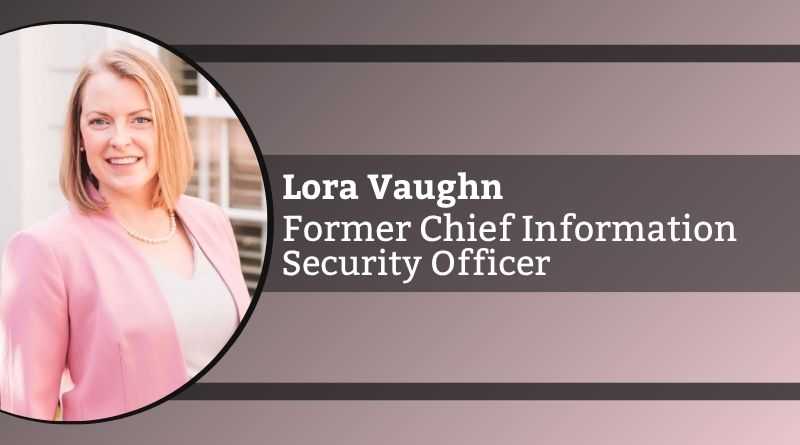
By Lora Vaughn, Former Chief Information Security Officer
Dear Executives, Department Heads, and Anyone Who’s Ever Wondered What Your CISO Actually Does All Day:
We need to talk.
Not about firewalls or encryption algorithms or compliance frameworks, though those matter too. We need to talk about the elephant in the room: the communication gap that’s making both our jobs harder than they need to be.
December 10th, 2021, taught us this lesson the hard way. Log4Shell hit on a Friday afternoon, and suddenly every organization faced the same uncomfortable questions: “What systems do we actually have?” “Which teams own what?” “How do we make critical decisions when security and business teams speak different languages?”
I’ve been in the CISO chair through enough crises to know that our biggest vulnerabilities aren’t technical—they’re human. And the solution isn’t better technology; it’s better partnerships.
What We Really Do (Hint: It’s Not Just Buying Expensive Boxes)
Here’s what I wish every executive understood: your CISO’s primary job isn’t to prevent every possible risk. It’s to help you take smart risks confidently.
When you come to me with a new business initiative, I’m not thinking “how do I stop this?” I’m thinking, “How do I make this work safely?” The difference between those two mindsets is everything. One makes me a roadblock; the other makes me a strategic partner.
Take that cloud migration you’ve been planning. You see cost savings and agility. I see the same benefits—plus I see the need for new identity management, updated incident response procedures, and revised vendor risk assessments. These aren’t obstacles; they’re success factors. But we can only identify them together.
The best security programs don’t just protect what you have—they give you the confidence to pursue what’s possible.
Why We Ask “Annoying” Questions
I’ve learned that most security “problems” are actually communication problems in disguise. When I ask about your project timeline, I’m not trying to slow you down—I’m trying to figure out how security requirements fit into your schedule without derailing it.
When I want to understand who has access to what data, I’m not being paranoid—I’m trying to ensure that when auditors come calling (and they will), we have answers that make us both look good.
Those vendor questionnaires that seem endless? They’re not bureaucratic theater. They’re how we avoid being the company that makes headlines because our third-party contractor got breached and took our customer data with them.
The Real Cost of Communication Breakdowns
Every CISO has war stories about projects that went sideways because security was an afterthought. The “quick integration” that took six months because we discovered compliance requirements late in the game. The vendor contract that had to be renegotiated because nobody thought to review their data handling practices upfront.
But here’s what I’ve learned: organizations with the best security outcomes aren’t the ones with the biggest budgets or the fanciest tools. They’re the ones where security and business teams actually talk to each other—early and often.
The companies that sailed through Log4Shell weren’t just technically prepared; they had leadership teams that could make rapid decisions together. They had processes that worked when everyone was stressed and tired. They had trust built up over years of collaboration, not crisis.
How We Can Work Better Together
The best partnerships I’ve built started with a simple conversation: “What does success look like for your team, and how can security help you get there?”
Sometimes the answer is faster approvals for low-risk changes. Sometimes, it’s better visibility into what’s actually happening in your department. Often, it’s just having someone who understands both security requirements and business realities sitting at the table when decisions are being made.
Early involvement, in my experience, saves time and money for everyone. When I understand your business objectives from the start, I can design security controls that support those goals instead of fighting them. You can assist me in finding solutions that satisfy everyone if you comprehend my danger issues.
This isn’t about security having veto power over business decisions. It’s about making those decisions with full information about the trade-offs involved.
Security that ignores business realities will always lose. But a business that ignores security realities is just gambling with higher stakes. The sweet spot is partnership—where security enables business growth instead of constraining it.
The Path Forward
Your CISO shouldn’t be the person who shows up to explain why things went wrong. We should be the person sitting beside you when you’re making decisions, helping you understand the trade-offs so you can choose confidently.
The best security programs don’t just protect what you have—they give you the confidence to pursue what’s possible.
Lora Vaughn is a cybersecurity executive with extensive experience building collaborative security programs that enable business growth. She is currently available for CISO roles, fractional security leadership positions, and strategic advisory engagements. Connect with her at loravaughn.com.