
Developing Sustainability Goals for an Organization – A CXO Perspective
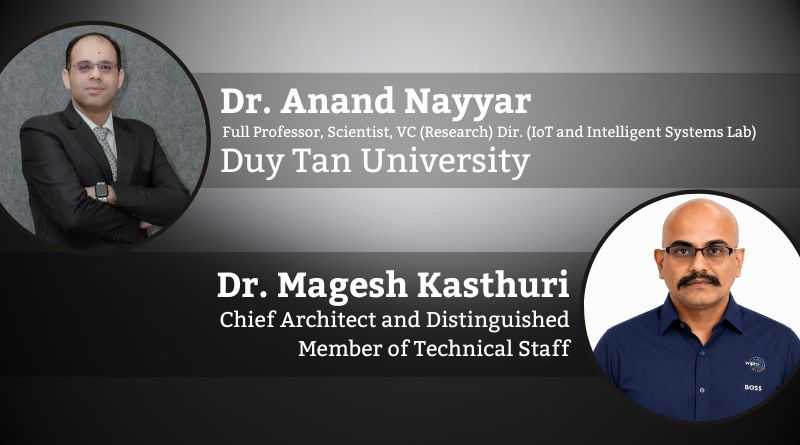
By Dr. Magesh Kasthuri, Chief Architect and Distinguished Member of Technical Staff and Dr. Anand Nayyar, Full Professor, Scientist, Vice-Chairman (Research) and Director (IoT and Intelligent Systems Lab), Duy Tan University
Introduction
In the current era, sustainability has emerged as a defining pillar for organisations seeking long-term relevance and success. Driven by global environmental concerns, regulatory pressures, and evolving stakeholder expectations, sustainability goals are no longer optional but essential for business continuity. For CxOs and senior leaders, the challenge lies not only in setting ambitious targets but also in embedding sustainable practices across operations, strategy, and culture.
Why Sustainability Goals Matter
The adoption of sustainability goals offers tangible business value. Organisations that prioritise sustainability often achieve greater operational efficiency, enhanced brand reputation, and improved risk management. Compliance with environmental regulations is now a baseline expectation, but proactive sustainability initiatives can differentiate a company in competitive markets. Investors, customers, and employees increasingly favour organisations that demonstrate genuine commitment to social and environmental responsibility.
- Business Value: Reduced costs, innovation, and market differentiation.
- Compliance: Adherence to local, national, and international environmental standards.
- Stakeholder Expectations: Meeting the demands of investors, customers, and employees for responsible business conduct.
Integrating Sustainability into CloudOps
Cloud Operations (CloudOps) are the backbone of modern digital enterprises. Integrating sustainability into CloudOps involves designing and operating cloud infrastructure with minimal environmental impact. Strategies include optimising resource allocation, leveraging energy-efficient hardware, and adopting cloud providers with strong sustainability credentials.
- Strategies: Implement automated scaling to reduce idle resources, select data centres powered by renewable energy, and monitor energy consumption continuously.
- Best Practices: Regularly audit cloud workloads, use serverless architectures to minimise resource usage, and deploy green coding practices.
- Challenges: Balancing performance and cost savings with environmental objectives, navigating complex multi-cloud environments, and measuring sustainability impact accurately.
GreenOps Solutions
GreenOps is the term for operational procedures that prioritize environmental sustainability in cloud and IT settings. By focusing on resource optimisation, energy conservation, and waste reduction, GreenOps helps organisations reduce their carbon footprint while maintaining operational excellence.
- Definition: GreenOps is the application of sustainability principles to IT operations, especially in cloud-based systems.
- Implementation: Adopt energy-efficient hardware, automate resource deallocation, and monitor carbon emissions from cloud activities.
- Benefits: Lower operational costs, improved environmental compliance, and enhanced corporate reputation.
Renewable and Reusable Energy in Infrastructure Management
The integration of renewable and reusable energy sources is vital for sustainable infrastructure management. Organisations can leverage solar, wind, and hydropower to run data centres and office facilities.

As sustainability becomes integral to business success, CxOs must embrace their roles in shaping a responsible future.
Reusable energy solutions, such as battery storage and energy recycling systems, further improve efficiency and reduce reliance on non-renewable sources.
- Approaches: Invest in on-premises solar panels, purchase green energy from utility providers, and deploy energy storage solutions.
- Technologies: Advanced cooling systems, AI-driven energy management platforms, and smart grids.
- Impact: Reduced greenhouse gas emissions, lower energy costs, and enhanced sustainability reporting.
CxO Personas and Their Roles in Adopting Sustainability Goals
Each CxO persona plays a distinct yet complementary role in the adoption and execution of sustainability goals. The table below outlines the contributions and focus areas of key leadership roles.
| Role | Key Sustainability Responsibilities |
| Chief Technology Officer (CTO) | Leads technology innovation for sustainable operations, selects energy-efficient platforms, and drives GreenOps initiatives. |
| Chief Executive Officer (CEO) | Sets the strategic direction, champions sustainability culture, and ensures alignment across all business units. |
| Chief Financial Officer (CFO) | Allocates funding for sustainability projects, assesses financial risks and ROI, and oversees sustainability reporting. |
| Chief Marketing Officer (CMO) | Communicates sustainability achievements to stakeholders, enhances brand reputation, and integrates sustainability into marketing strategies. |
| Chief Information Officer (CIO) | Implements green IT policies, ensures data centre sustainability, and supports digital transformation aligned with sustainability goals. |
| Chief Information Security Officer (CISO) | Ensures secure and sustainable handling of data, addresses risks linked to new green technologies. |
| Chief Data Officer (CDO) | Drives data-driven sustainability insights, manages data for reporting and compliance. |
| Chief AI Officer (CAIO) | Develops AI solutions for sustainability, such as energy optimisation and carbon footprint analysis. |
| Chief Operating Officer (COO) | Integrates sustainability into operational processes, manages supply chain sustainability. |
The Role of the Chief Sustainability Officer (CSO)
The Chief Sustainability Officer (CSO) is central to driving the organisation’s sustainability agenda. The CSO develops and oversees sustainability strategy, ensures compliance with regulatory standards, and fosters a culture of environmental responsibility. This role involves cross-functional collaboration, engaging with all CxOs to integrate sustainability into every aspect of the business.
- Responsibilities: Defining sustainability objectives, leading implementation, monitoring progress, and reporting outcomes to stakeholders.
- Influence: Shapes corporate strategy, guides investment in sustainable technologies, and represents the organisation in external sustainability forums.
- Organisational Impact: Drives innovation, strengthens stakeholder trust, and positions the organisation as a leader in sustainable business practices.
The CSO’s influence extends beyond compliance. By championing sustainability, the CSO ensures that environmental and social considerations are embedded in decision-making, risk management, and performance measurement. This holistic approach is increasingly valued by customers, investors, and regulators alike.
Ecological benefits in Sustainable IT
Sustainable IT practices are pivotal in mitigating the ecological footprint of technology operations, offering substantial ecological benefits. One of the most significant contributions is the reduction of carbon emissions through energy-efficient data centers and cloud computing solutions. Traditional data centers are notorious for their high energy consumption, but by adopting virtualization and consolidation strategies, organizations can significantly minimize the physical hardware required. In addition to reducing energy use, this reduction also reduces electronic trash, a major environmental concern.
Moreover, the transition to renewable energy sources, such as solar, wind, and hydropower, further enhances sustainability. Organizations can power their IT infrastructures with clean energy, drastically reducing reliance on fossil fuels and thus lowering greenhouse gas emissions. This shift aligns with global efforts to combat climate change and demonstrates a commitment to environmental stewardship, which is increasingly valued by consumers and investors alike.
By adopting sustainable procurement techniques and recycling e-waste, sustainable IT also encourages responsible resource management. By ensuring that outdated or unused electronic equipment is disposed of responsibly, organizations can mitigate the ecological impact of their IT operations. Additionally, adopting life cycle assessments (LCAs) during product development ensures that environmental impacts are considered from the design phase through to disposal, fostering a culture of sustainability within the organization.
The ecological benefits extend beyond direct emissions reductions. Sustainable IT practices can enhance brand reputation and stakeholder trust, as customers and investors increasingly prefer organizations that demonstrate a genuine commitment to environmental responsibility. Furthermore, these practices can lead to cost savings through improved operational efficiency and reduced energy costs. Ultimately, integrating sustainability into IT not only helps protect the planet but also positions organizations as leaders in corporate social responsibility, driving long-term success and relevance in an increasingly eco-conscious market.
Tools for measuring Sustainable infrastructure usage
Measuring the sustainability of IT infrastructure is essential for organizations aiming to reduce their environmental impact and improve their ecological footprint. This measurement can be facilitated by a range of methods and approaches, allowing companies to monitor their progress and pinpoint areas in need of improvement.
Energy management systems (EMS) are among the most critical tools for monitoring energy consumption across data centers and cloud environments. These systems provide real-time data on energy usage, enabling organizations to identify inefficiencies and implement corrective actions. For instance, by analyzing energy consumption patterns, organizations can optimize cooling systems and adjust workload distributions, resulting in significant energy savings.
Carbon footprint calculators are another valuable resource for quantifying greenhouse gas emissions associated with IT operations. By inputting data related to energy consumption, travel, and waste, organizations can gain insights into their environmental impact. This information is crucial for setting measurable sustainability targets and tracking progress over time. Additionally, software solutions that support sustainability reporting, such as those aligned with the Global Reporting Initiative (GRI) standards, allow organizations to effectively communicate their sustainability achievements to stakeholders.
Emerging technologies also play a crucial role in measuring and enhancing sustainability efforts. For example, blockchain technology can improve supply chain transparency, allowing organizations to track the sustainability of materials and components used in their IT infrastructure. Internet of Things (IoT) devices can monitor resource usage in real-time, providing actionable data that drives continuous improvement in sustainable practices.
Furthermore, advancements in artificial intelligence (AI) can streamline sustainability measurement by analyzing vast amounts of data to identify patterns and suggest optimizations. By leveraging these tools, organizations can not only measure their sustainability performance but also enhance their overall operational efficiency, contributing to a more sustainable future.
Role of Generative AI and Agentic AI in sustainable design
Generative AI and Agentic AI are at the forefront of transforming sustainable design, enabling innovative and efficient approaches to product development and resource management. Using sophisticated algorithms, Generative AI investigates a wide range of design options according to predetermined sustainability standards. This capability allows organizations to rapidly generate and evaluate various design options, leading to the creation of products that minimize material usage, optimize energy efficiency, and reduce waste throughout their life cycle.
For example, in architectural design, generative AI can analyze environmental data to create building designs that maximize natural light and minimize energy consumption, thus reducing operational costs and environmental impact. This approach not only fosters creativity but also ensures that sustainability is embedded in the design process from the outset.
Agentic AI, on the other hand, empowers systems to make autonomous decisions regarding resource allocation and operational efficiency. In smart buildings, for example, Agentic AI systems can dynamically adjust heating, lighting, and cooling based on real-time occupancy and environmental conditions. This capability significantly reduces energy consumption and enhances occupant comfort, demonstrating how AI can drive sustainability in everyday operations.
Furthermore, by simulating environmental effects and carrying out lifetime evaluations, both Generative and Agentic AI make it easier to incorporate sustainability issues into the design stage. By using AI-driven tools, organizations can predict the ecological footprint of various design choices, allowing for more informed decision-making that aligns with sustainability goals.
Additionally, these technologies can support the development of sustainable supply chains by optimizing logistics and resource utilization. By leveraging data analytics and machine learning, organizations can identify inefficiencies and implement strategies to reduce waste and emissions across their operations.
Conclusion
As sustainability becomes integral to business success, CxOs must embrace their roles in shaping a responsible future. By developing clear sustainability goals, integrating them into CloudOps and GreenOps practices, and leveraging renewable energy, organisations can achieve lasting impact. The collaborative efforts of all CxO personas, guided by a proactive Chief Sustainability Officer, are crucial in forging a sustainable path forward. Ultimately, sustainability is not a destination but an ongoing journey, one that demands leadership, innovation, and unwavering commitment from every corner of the organisation.